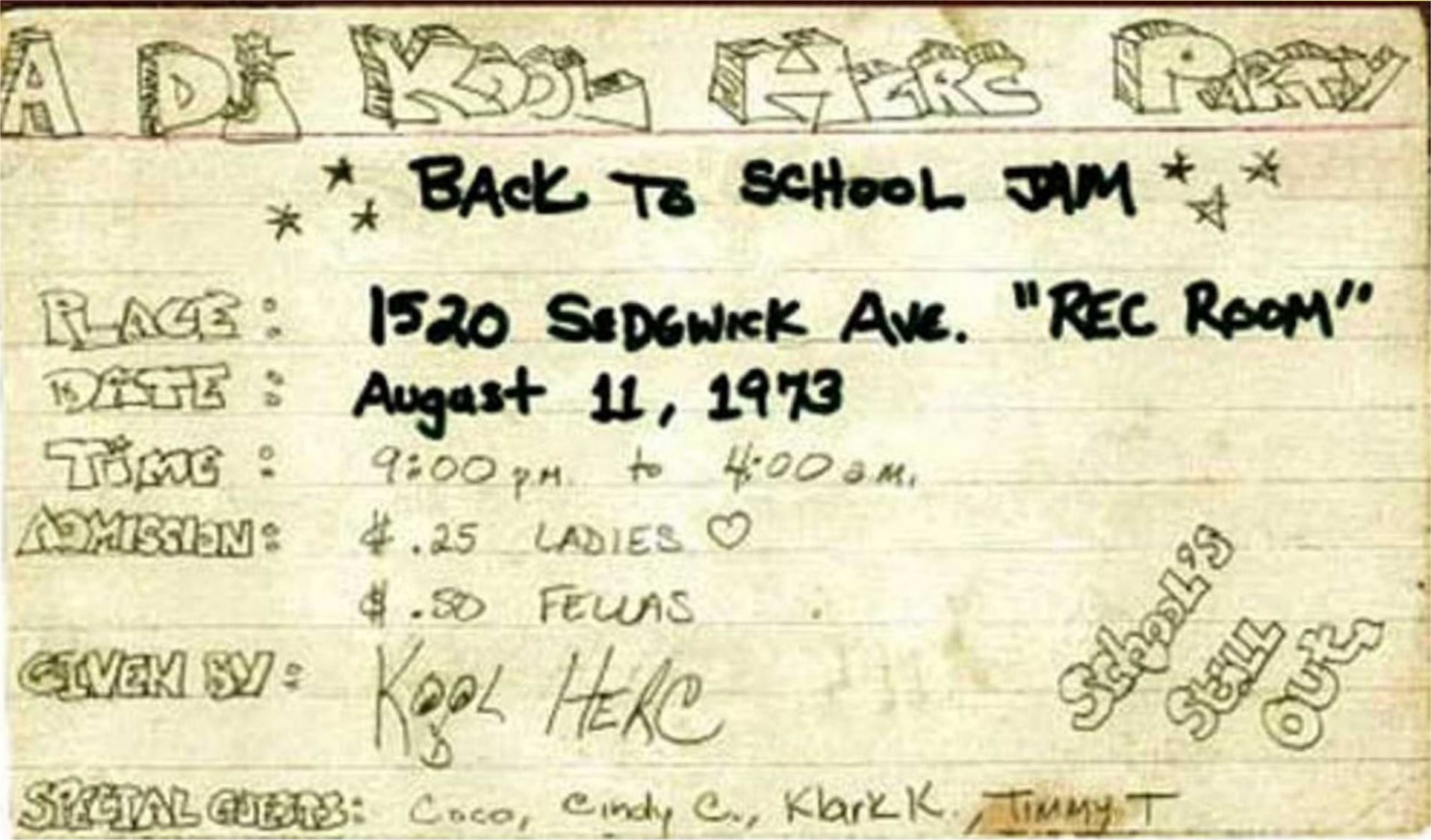
An original invitation to Cindy's party.
Hip-hop did not begin in a recording studio. It didn't begin with a record deal, a major record label or a commercially released album. It began in the Bronx, on sound systems, at block parties and in clubs, where DJs discovered that they could take existing records and turn them into something completely new.
The story of the hip-hop mixtape is therefore inseparable from the story of the DJ.
Long before mixtapes became commercial products, they were simply a way of capturing what was happening. Eventually, they became one of the most important ways in which hip-hop music was distributed. For a period during the 1980s and 1990s, a cassette containing the right music could be worth considerably more than the plastic and magnetic tape it was made from.
The date most commonly associated with the birth of hip-hop is August 11, 1973. That was the night when Clive Campbell, better known as DJ Kool Herc, provided the music for a back-to-school party organised by his sister Cindy Campbell at 1520 Sedgwick Avenue in the West Bronx. It wasn't advertised as the birth of a new musical culture. The party was to raise funds for Cindy to buy new school clothes.
Nobody attending knew that they were witnessing something that would eventually spread around the world.
An original invitation to Cindy's party.
Kool Herc had grown up in Jamaica, where sound-system culture was already an important part of everyday musical life. After moving to New York, he brought elements of that approach with him.
His great innovation was to concentrate on the breaks in funk and soul records - the instrumental sections where the rhythm became particularly prominent and dancers could really let loose. Using two copies of the same record, Herc could switch between them and extend the break, effectively turning a few seconds of a record into a much longer piece of music.
He was not simply playing records. He was manipulating them. The DJ was becoming an artist in his own right.
Kool Herc’s approach would be developed further by DJs such as Grandmaster Flash, Afrika Bambaataa, Grandmaster Caz, Lovebug Starski and DJ Hollywood, and others.
Hip-hop was becoming a culture built around DJs, MCs, dancers, graffiti artists and the crowds that brought everything together.
But at this stage there was still one important problem - If you weren’t there, you couldn’t hear it.
In the early days, hip-hop was fundamentally a live experience. If a DJ was playing a party in the Bronx on Friday night, the people who were there heard it. If you weren't there, you didn't hear it..
Not everybody could attend the clubs or parties. Some people were too young. Some couldn’t afford the entrance fee. Some lived too far away. Others simply couldn’t be there on a particular night. The cassette changed that.
People began recording park jams, block parties, club performances and radio shows. These early recordings became known as party tapes and eventually circulated among friends and neighbours. They were copied for people who didn't attend.
The significance of this development shouldn't be underestimated. The cassette wasn’t merely a cheap recording medium. It allowed hip-hop to travel. Someone who couldn’t get into a club could hear what had happened there. Someone who lived in another part of New York could hear a DJ they had never seen. A tape could be passed from one person to another, copied onto another cassette and passed on again.
The party no longer ended when the music stopped. It could continue in people’s homes and cars. A person who had missed the event could now hear the music that everybody had been talking about.
This was one of the earliest ways hip-hop escaped the physical boundaries of the neighbourhoods in which it had developed.
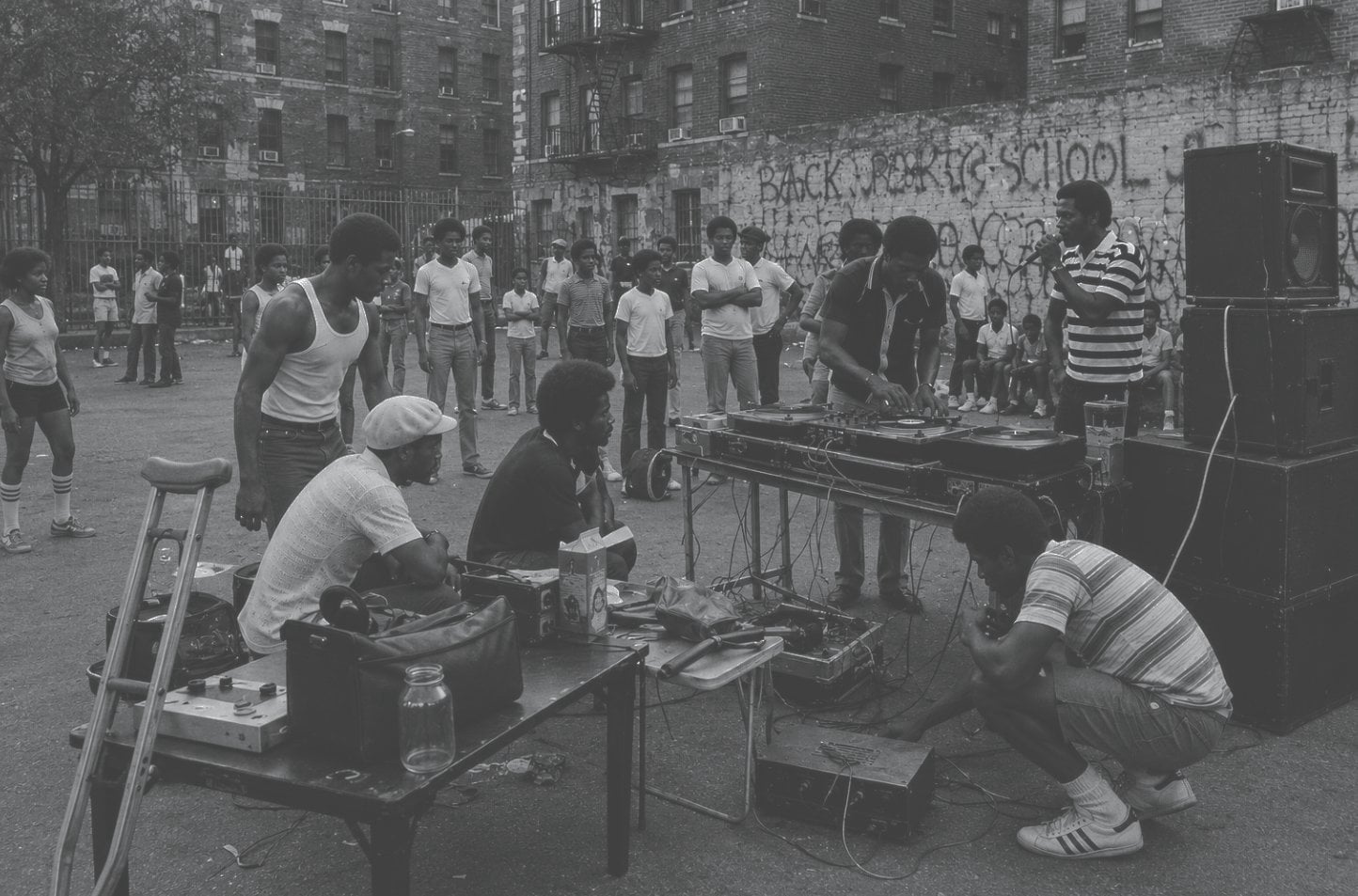
A 1970s New York City Block Party.
The cassette was almost perfectly designed for this purpose. It was inexpensive, portable and recordable, and it could also be copied relatively easily. Unlike a vinyl record, it didn’t require a pressing plant or a record company. Two cassette decks were enough to duplicate a tape, meaning that the technology was available to ordinary people.
A teenager could record a radio show. A DJ could record a club performance. A group of friends could make their own practice tapes. And eventually, a DJ could create a tape specifically to sell.
The earliest tapes were largely recordings of DJ's performances. The next generation became performances in their own right.
That distinction is important - A recording of a club night preserved something that had already happened. A purpose-made mixtape was created specifically for the listener. The DJ could select the best records, blend them together, add freestyles, include unreleased material, talk over the music and add his own personality. The tape itself became part of the performance.
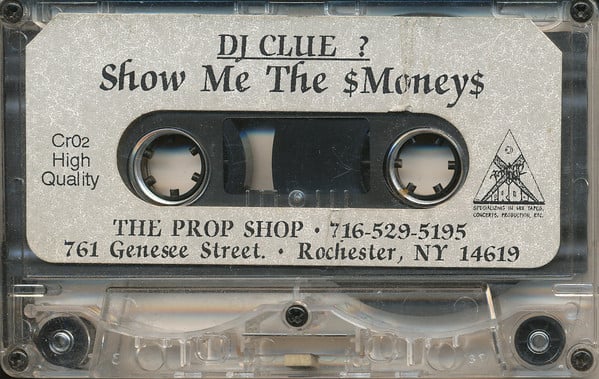
Cassette was the ideal medium for getting the music out there.
By the late 1970s and early 1980s, DJs had become increasingly important within hip-hop.
Grandmaster Flash pushed the technical side of DJing forward. Afrika Bambaataa became one of the culture’s most influential selectors. Grandmaster Caz, Lovebug Starski, Brucie B and others developed their own reputations.
But as the 1980s progressed, the commercial record industry increasingly concentrated on rappers. The DJ could easily have become secondary. Instead, the mixtape gave him another way to remain at the centre of the culture.
DJs such as Kid Capri, Ron G and Mister Cee began creating tapes that captured their selections and blends, allowing people who knew them from clubs and radio to take the experience home. The DJs were therefore turning the mixtape into a vehicle for exclusive tracks, new artists and the latest music coming out of the streets. The mixtape became a way of extending the DJ’s reputation beyond the venue and soon the DJs realised that they had something else to sell. Not just music but exclusivity.
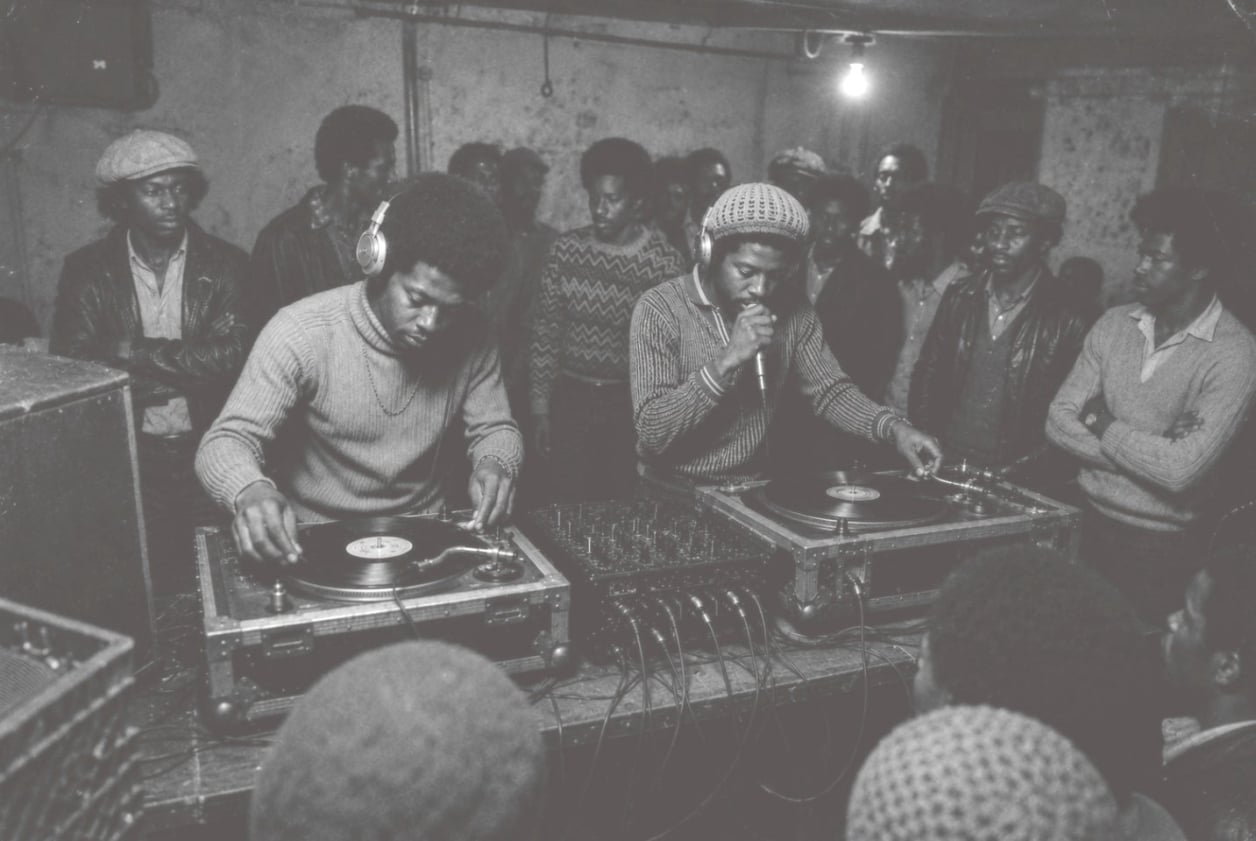
The DJs were the stars
During the 1980s and in particular the 1990s, having music before everyone else became enormously valuable.
A record company might have a new single scheduled for release several weeks later. A DJ might already have an advance copy.
An artist might have recorded a freestyle that wasn’t intended for an album. A producer might have made a remix that wasn’t commercially available. The DJ who could get hold of that material could put it on a tape. Suddenly, that tape was different from everything else on the market.
The best DJs developed relationships throughout the music industry. They knew record-company employees, artists, producers and promoters. They knew who could get them music.
There were several ways this happened. Sometimes an influential DJ was simply given an advance promotional copy by a record company. Sometimes material came through personal relationships, favours and contacts within the industry. And there were also stories of DJs using money, gifts or other inducements to persuade insiders to provide material that wasn't supposed to be circulating. Tracks were being obtained without the knowledge or permission of the label or artist.
Notwithstanding the above, by the 1990s, record companies realised that advance copies being supplied to DJs could be an entirely legitimate promotional strategy and help build anticipation for imminent releases.
The underlying principle, however, was always the same. The DJ who had something nobody else had was the DJ everybody wanted to hear.
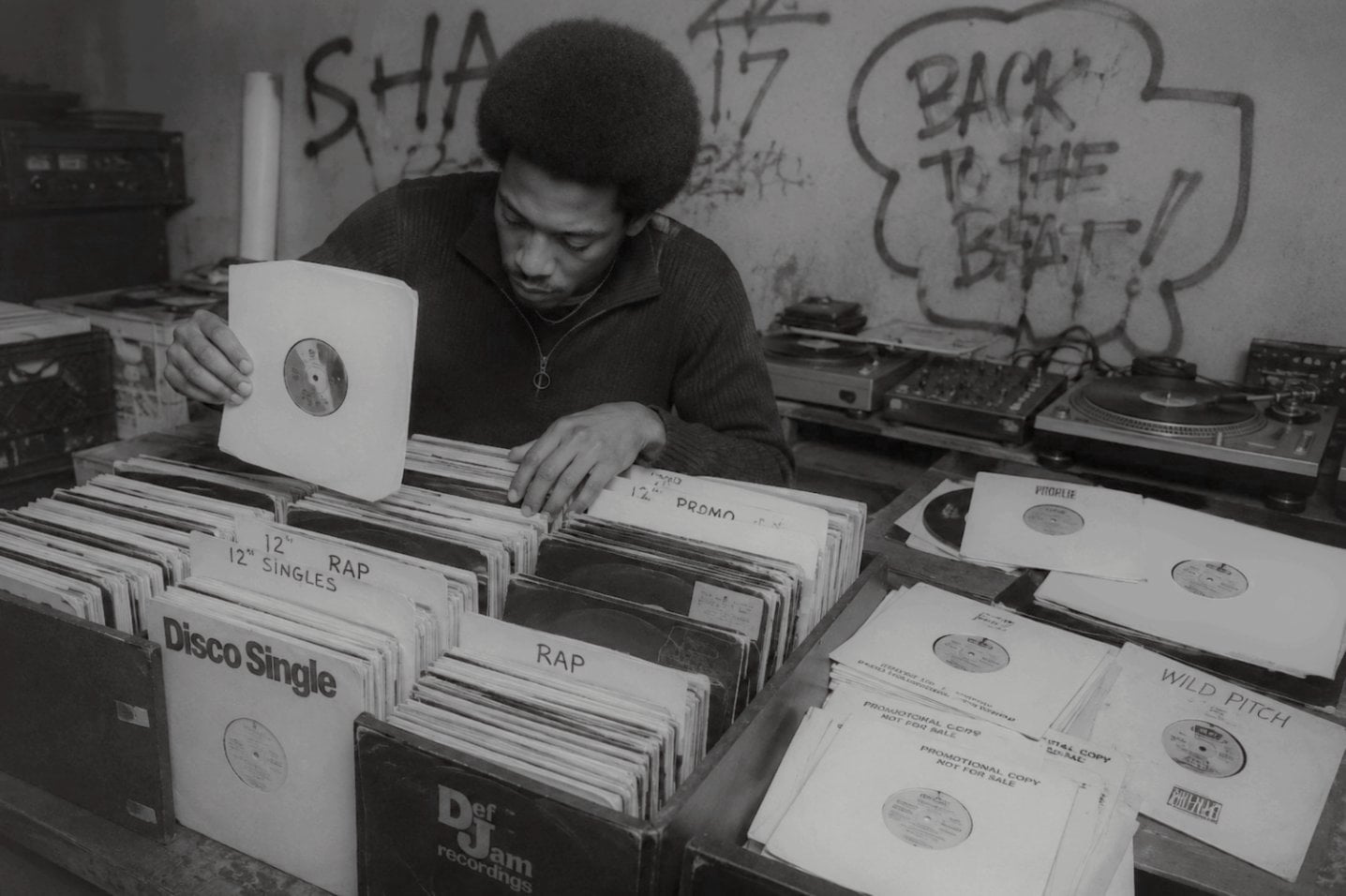
Hunting out promotional copies of unreleased material
The relationship between DJs and record companies became increasingly complicated as the mixtape grew in influence. Initially, the labels could regard mixtapes as a problem. DJs were using copyrighted recordings, sometimes without permission, and distributing them to listeners outside the official music industry.
However, the record companies also began to realise that the DJs possessed something incredibly valuable: credibility with the audience. A record company could spend thousands of dollars advertising a new single, but a respected DJ playing that same record could make it sound genuinely important. The mixtape therefore became a promotional tool.
Record companies and their promotion departments could give influential DJs advance copies of forthcoming singles and albums, knowing that the DJs could play them in clubs, on radio and on their mixtapes. Getting a new track onto the right DJ’s tape could create excitement weeks before the official release. The DJ effectively became an unofficial street-level promoter.
The distinction between an unauthorised leak and a promotional advance could therefore become quite blurred. A DJ might genuinely have obtained a track through an industry promotion department. Another might have acquired the same sort of material through a personal contact. Yet another might have managed to get hold of something that the record company definitely didn't want circulating.
For the listener, the attraction was simple. It was new. And it was early. That was enough.
This relationship gave the better DJs enormous influence. A DJ could put an unknown rapper on a tape and suddenly thousands of people would hear him. If the audience reacted positively, other DJs might pick up the record.
The record company would notice. The artist could gain a following. The mixtape had effectively tested the record in the real world.
In this respect, the best DJs were performing a role that resembled modern A&R. They knew what was working in the clubs. They knew which new rappers people were talking about. They knew which records were being requested.
Their tapes were therefore more than entertainment. They were information.
That is one reason why record companies could tolerate, and sometimes actively encourage, DJs having advance material.
The labels wanted their records to be heard and heard by the right people.
The tapes didn’t just contain music - They contained people. They contained voices. They contained the atmosphere of the clubs and streets in which they were made.
One of the most distinctive features was the shout-out. DJs would mention people by name during their sets. Sometimes it was simply a friendly greeting. Sometimes it was a dedication. Sometimes it was a local business. And sometimes it was something more commercial.
There are documented recollections of people involved in the street economy, including drug dealers, paying DJs for shout-outs because they knew that the performance would be recorded and subsequently circulated on tape. For somebody operating on the street, having a DJ mention your name could be a form of advertising.
The DJ would make the announcement. The tape captured it. The tape was copied. The name travelled. This is one of the reasons old mixtapes can be so fascinating today; they don’t just preserve the records being played, they preserve the world around the records.
The DJ’s voice. The crowd. The shout-outs. The advertisements. The slang. The atmosphere. Sometimes even the mistakes.
A commercial album could never capture that.
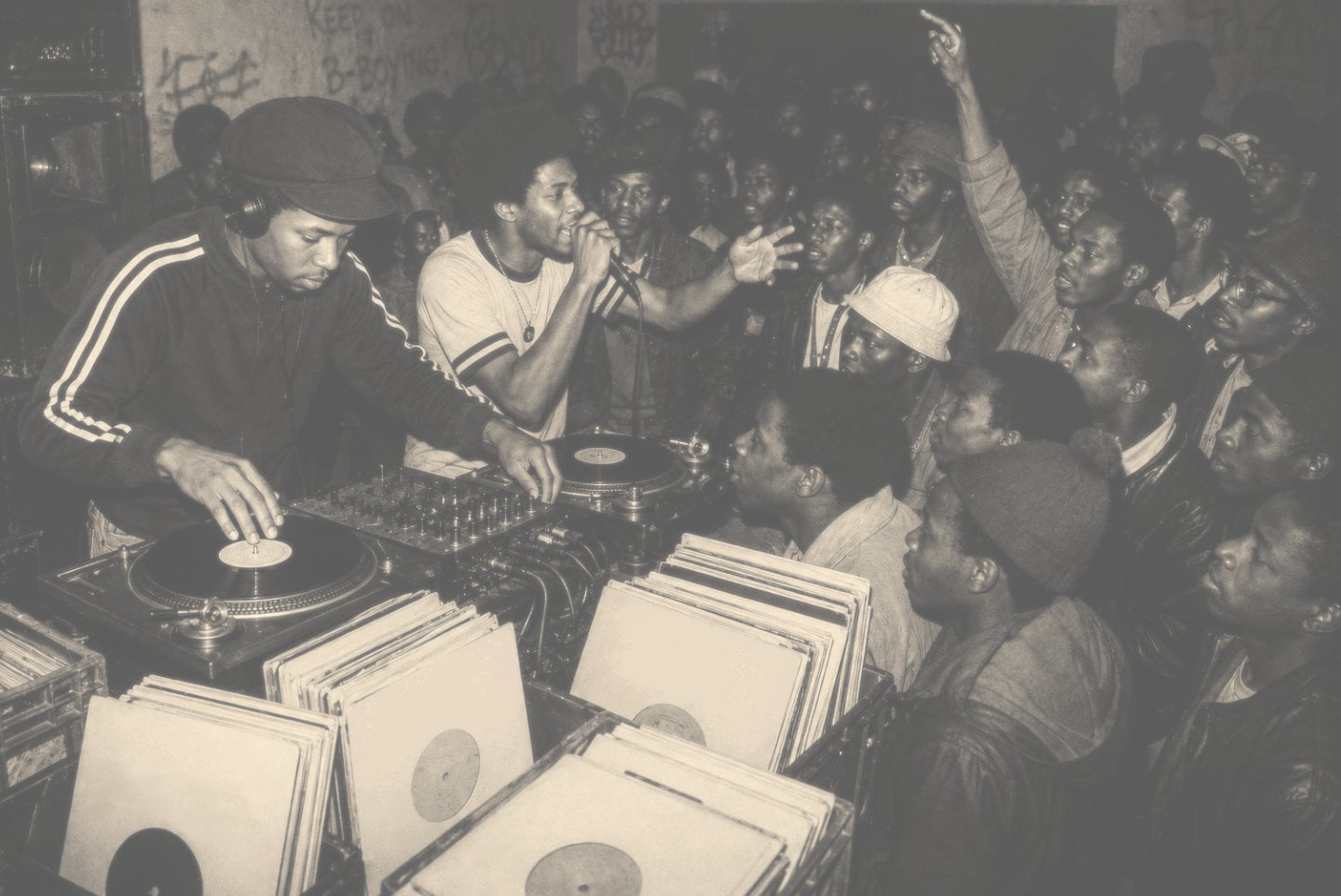
Local businesses and even drug dealers paid DJs for shout-outs
As demand increased, DJs began making tapes specifically for distribution. The difference was subtle but important. A party tape simply documented what happened, whilst a mixtape was deliberately constructed.
The DJ could choose the best records, blend them, add freestyles, include unreleased material, put his own remixes between the tracks, talk over the music and add sound effects and drops. He could create a continuous performance that was designed to be played from beginning to end. The tape became an extension of the DJ and the DJ’s name became the brand.
Kid Capri, Ron G, Doo Wop, DJ Clue, DJ Juice, Tony Touch, DJ S&S, Brucie B and Funkmaster Flex became names that meant something to hip-hop fans. If you bought a Kid Capri tape, you knew roughly what you were going to get. If you bought a Ron G tape, you expected his particular style of blends. If you bought a DJ Clue tape, you wanted exclusives. If you bought a DJ Juice tape, you expected a constantly changing mixture of current records, remixes and material that was difficult to find elsewhere.
The DJ had become a brand.
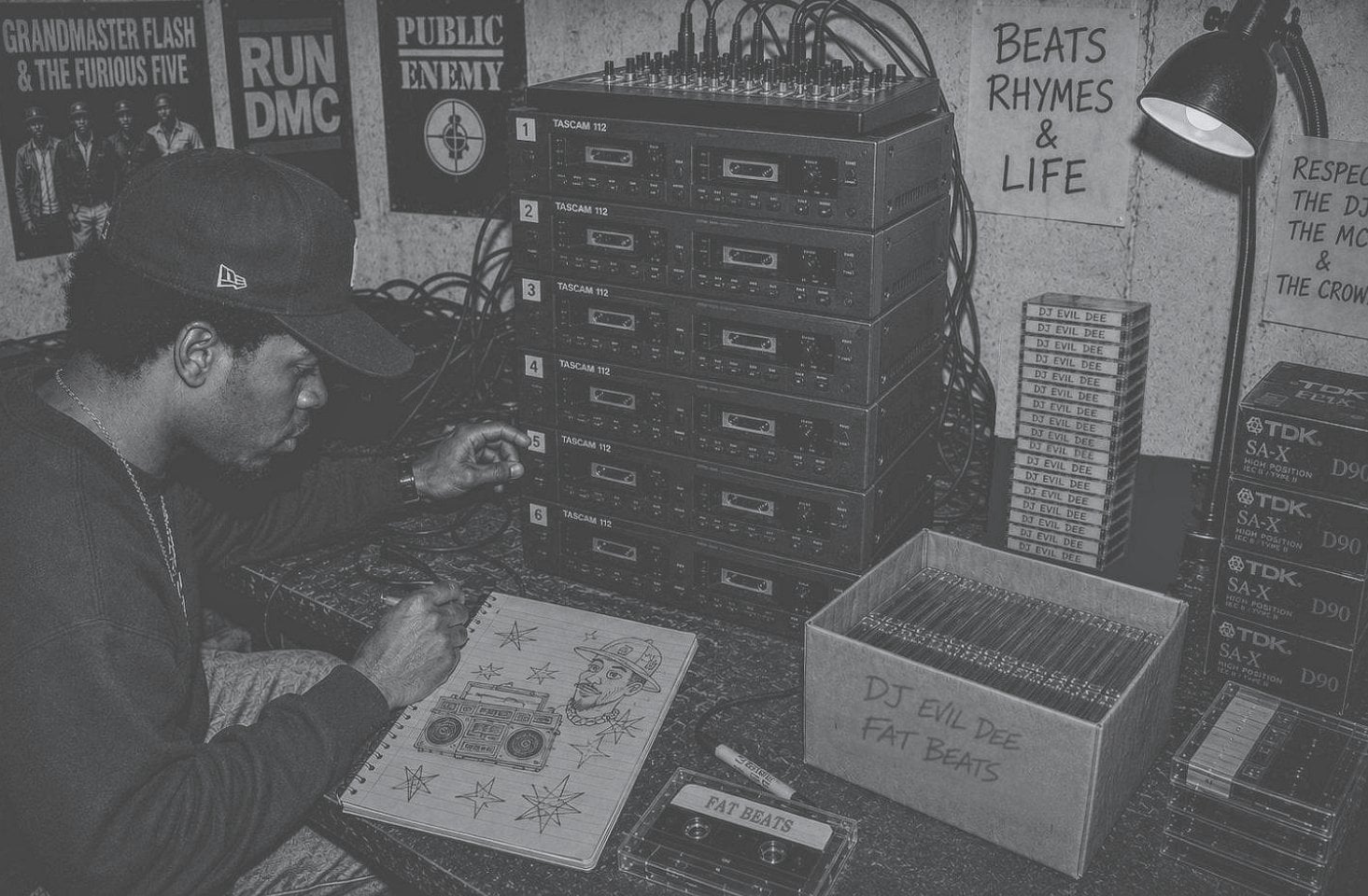
The tape becomes a product
Kid Capri became one of the most recognisable names of the cassette era. His tapes were particularly important in demonstrating that a DJ could turn his reputation into a business.
The basic economics were remarkably simple. Buy blank cassettes, make a master, duplicate the tapes and sell them.
Capri says "Well, the way I did it was, I used to go to Trader Horn and buy 100 tapes and copy them all night. I used to have six or seven tape decks going at one time. I would sit in front of Rucker Park on 145th street and sell 200 tapes, 100 tapes in an hour. I made $2,000 in an hour."
"While everybody was selling crack for $20 I was selling tapes for $20. I was getting the same thing they got, my money was just coming in a bit slower. I figured they gonna be dead or locked up and I’m still gonna be rocking. And that’s exactly what happened."
There was no need for a major record company: The DJ controlled the music, the DJ controlled the product and the DJ controlled the distribution. At least initially.
The cassette itself was inexpensive. What people were really paying for was the music, the exclusives, the reputation of the DJ and the excitement of hearing something before everyone else.
The really hot tapes would become much more valuable. There are accounts from the period of particularly desirable mixtapes selling for over $100.
Kid Capri recalled that his tapes could command extraordinary prices. Although his regular tapes initially sold for around $20, he said customers would sometimes pay $100, $300 or even $500 for custom-made tapes. On one occasion, a customer paid him $500 simply to have a tape that nobody else would possess.
It is important to put this into perspective. Ordinary mixtapes didn't routinely cost $100. Most were sold for much less, but a particularly desirable tape could command an extraordinary price.
Why? Because the buyer wasn’t really paying for the cassette - they were paying for access.
If the tape contained an unreleased track, an exclusive freestyle, a new remix or something that nobody else had heard, owning it gave the buyer something other people wanted. The tape could therefore become a status symbol. You had the new tape, your friends wanted to hear it and wanted a copy.
The music spread. The DJ became more famous and the demand for the next tape increased.
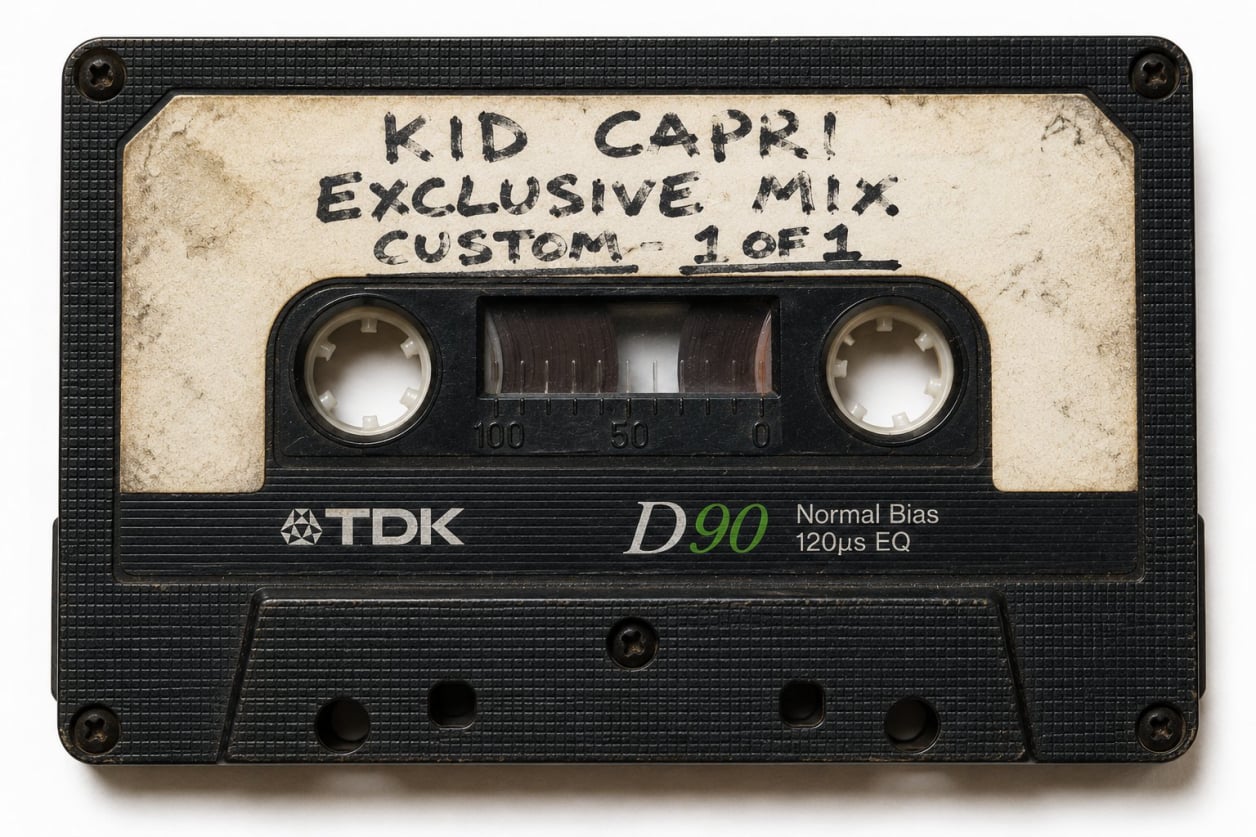
DJs would make exclusive tapes, if you paid them enough
One of the best examples of this culture is DJ Juice. Juice produced a long-running series of cassette mixtapes, and by the mid-1990s his volume numbers had become a familiar part of the New York mixtape landscape.
The appeal was partly the anticipation, there was always another volume. If you had one, you wanted the next. If you missed an earlier one, you wanted to find it. Each tape represented a particular moment in hip-hop.
Volume 37, released in 1997, is a particularly good example. Its contents include Juice remixes and material associated with artists including Big Pun, Ja Rule, DMX, Capone-N-Noreaga, Cappadonna, LL Cool J, Redman, Gravediggaz, Rakim, Canibus, Busta Rhymes, Mase and The LOX, among others.
That is an extraordinary snapshot of 1997. It captures established artists, rising artists, exclusives and remixes in one place and that was the magic of the mixtape. It wasn’t necessarily trying to tell you what was already officially available, it was trying to tell you what was happening now.
DJ Juice continued the series through numerous volumes, with the numbering itself becoming part of the culture and the tapes became collectible.
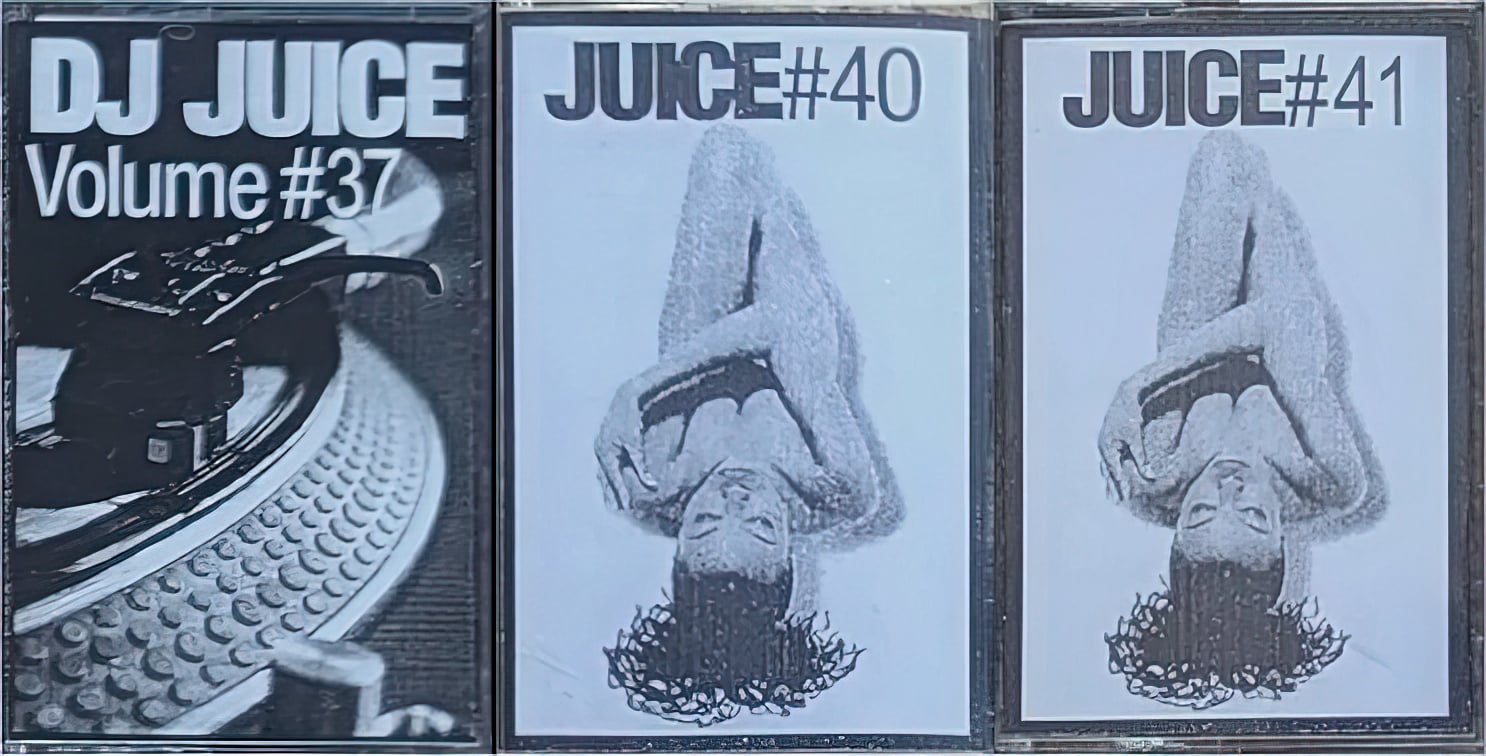
DJ Juice numbered mixtapes
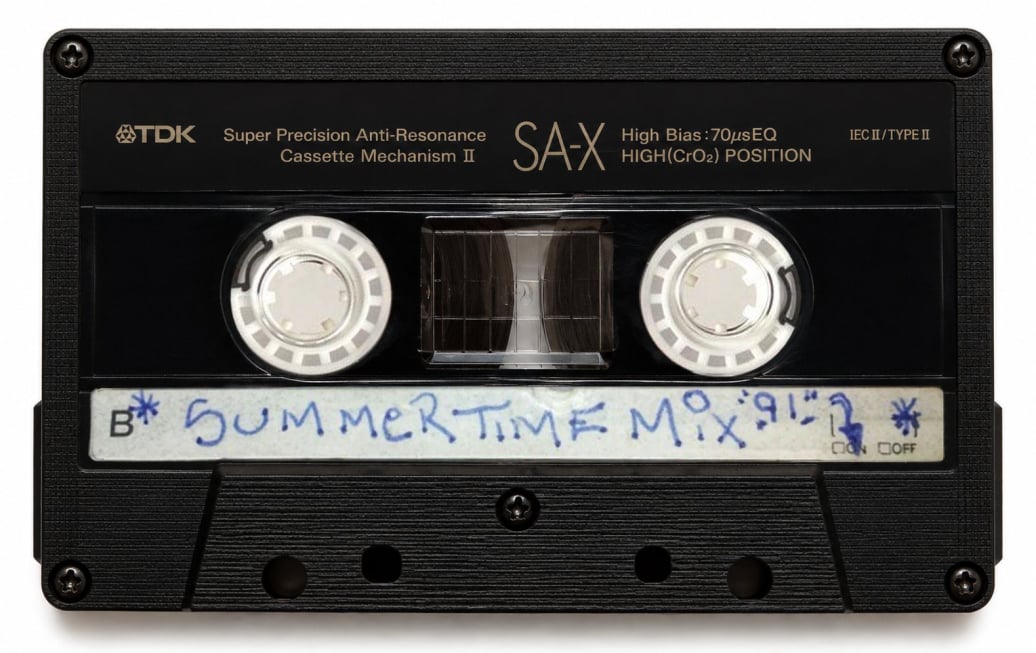
DJ Juice #1 - His first ever mixtape from 1991.
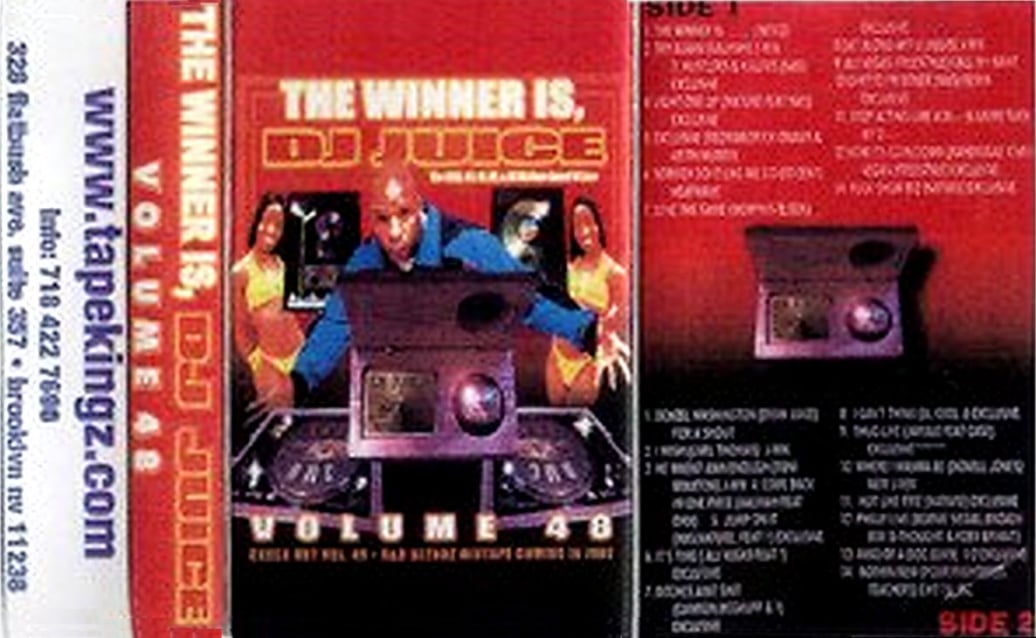
DJ Juice #48 - The last volume to be produced on cassette
If DJ Juice represented the prolific side of the cassette mixtape business, DJ Clue represented the obsession with exclusives. Clue deliberately created an air of mystery around his tapes. His early tapes helped establish the idea that the listener had arrived in the middle of an already-established series.
His connections through RCA gave him access to advance material, and his tapes became notorious for tracks that weren’t available elsewhere. His use of unreleased material became an important part of the Clue identity.
This was one of the fundamental differences between the mixtape and the commercial album. A record label wanted to control when a song became available, but a mixtape DJ wanted to be first.
By this point the labels themselves were increasingly aware that being first could be useful. If the right DJ played an advance track and listeners started talking about it, the record company had effectively gained free promotion before the official release.
That uneasy relationship between control and promotion would become one of the defining characteristics of the 1990s mixtape scene.
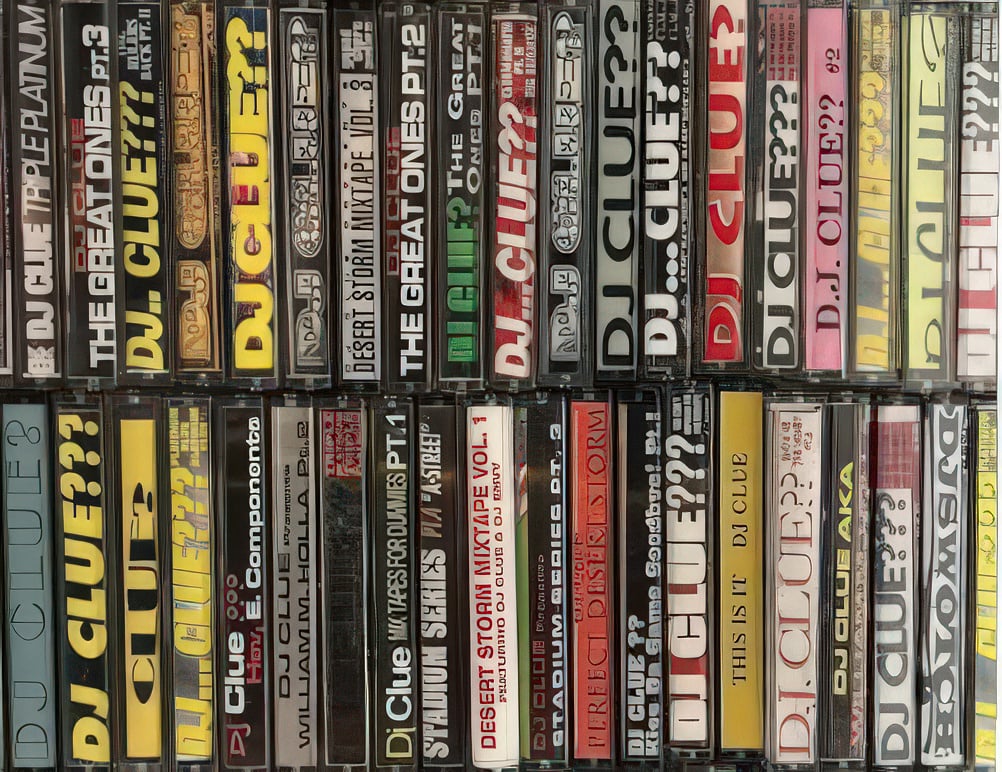
DJ Clue and the power of the "Exclusive"
Eventually, the DJs were producing more tapes than they could conveniently duplicate and distribute themselves. That created an opportunity for someone could provide the duplication, the packaging and the distribution and that someone was Tape Kingz.
Tape Kingz was founded in Brooklyn by Iain McNee and became one of the most important names in the New York mixtape business.
A fascinating account comes from Thibaut de Longeville, who later founded the French mixtape company Passe Passe.
In the 1990s, de Longeville visited McNee in Brooklyn and found him surrounded by Telex cassette duplicators. McNee obtained masters from DJs, duplicated them and sold the cassettes for around ten dollars. Among the DJs whose tapes Tape Kingz was circulating were Tony Touch, Evil Dee, Lord Finesse and Doo Wop.
This was the point that the mixtape had become a genuine underground industry. It was no longer just a DJ with a stack of blank tapes, there was now an infrastructure. Masters were supplied by DJs, duplicators produced copies, artwork was prepared, tapes were packaged and the finished products were distributed to an audience hungry for new music.
Tape Kingz became one of the most recognisable names associated with that process.
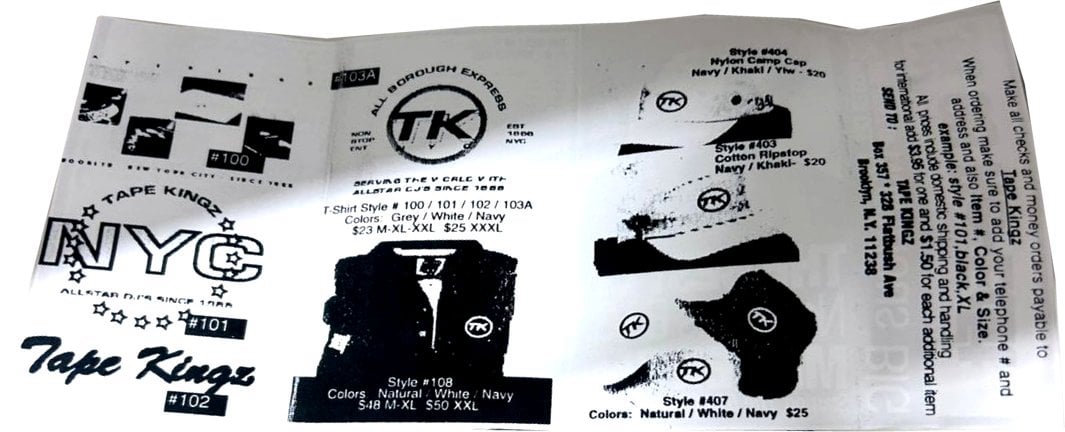
Advertisement for Tape Kingz merch, from the inside of a Jcard.
Tape Kingz also illustrates something particularly important to cassette collectors today:- The packaging was often cheap and deliberately uncomplicated. Black-and-white photocopy artwork was common. There was little need for expensive photography or elaborate graphic design. The buyers already knew the DJ, so they didn’t need a major marketing campaign. They wanted the tape and they wanted it quickly.
According to de Longeville’s account of the Tape Kingz operation, the speed of production was central to the business. A DJ could record a mix, the master could be duplicated and the finished tapes could be made available very quickly.
That explains much of the visual character of surviving mixtapes; crooked photocopies, heavy black-and-white contrast, large lettering, basic typography, track listings squeezed into whatever space was available and sometimes an image that looked almost as though it had been photocopied several times.
It wasn’t necessarily poor design - it was fast design. The music was the product and the packaging simply needed to get it into the customer’s hands.
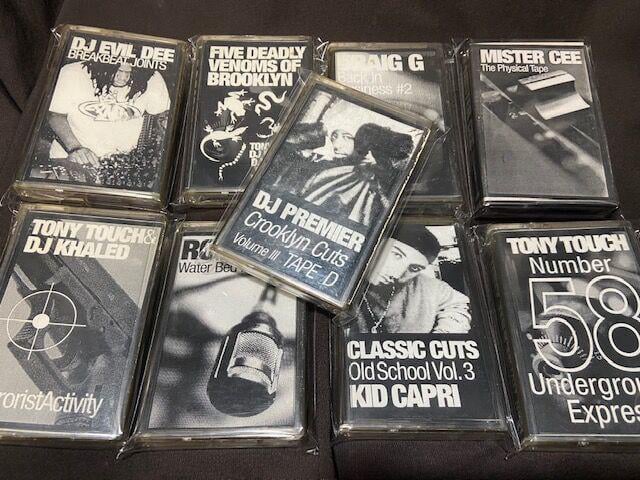
A selection of Tape Kingz releases
One of the most fascinating developments was that the Tape Kingz model didn't remain confined to New York. It travelled to Europe.
Thibaut de Longeville became interested in the business after receiving American mixtapes from Fab 5 Freddy. He subsequently spent time in New York and encountered Tape Kingz first-hand. He recognised that the model could work in France.
A deal was arranged whereby Tape Kingz supplied masters and de Longeville licensed them for duplication in France. The French company that emerged was Passe Passe. This wasn’t simply an independent French imitation, it was directly inspired by and connected to the Tape Kingz operation.
Tape Kingz supplied masters, Passe Passe duplicated them for the French market. The artwork could be adapted. The tapes could then be distributed to French listeners who wanted the latest American hip-hop.
The differences between the American and French presentation are particularly interesting. In the United States, speed was everything. Get the new tape out, get the new material into the streets. Don’t waste time. In France, Passe Passe could adapt the presentation for its market and take more time, but the underlying product was still the same: the latest hip-hop, delivered on cassette.
Tape Kingz also had a division based in the UK. Branded as Tape Kingz Europe, it was based in Carlisle, Cumbria.

The Tape Kingz Logo
Passe Passe grew considerably. At its height, the company reportedly had thousands of subscribers and operated a mail-order system for people hungry for American hip-hop. This is an important stage in the story.
The mixtape had begun as a local recording of a party in the Bronx. Now it was travelling internationally through a network of specialist distributors. A DJ in New York could make a tape, Tape Kingz could duplicate it, Passe Passe could license and duplicate it in France and somebody in Europe could buy a cassette containing music that might not yet have been commercially released in their own country. The cassette had become an international distribution system for hip-hop.
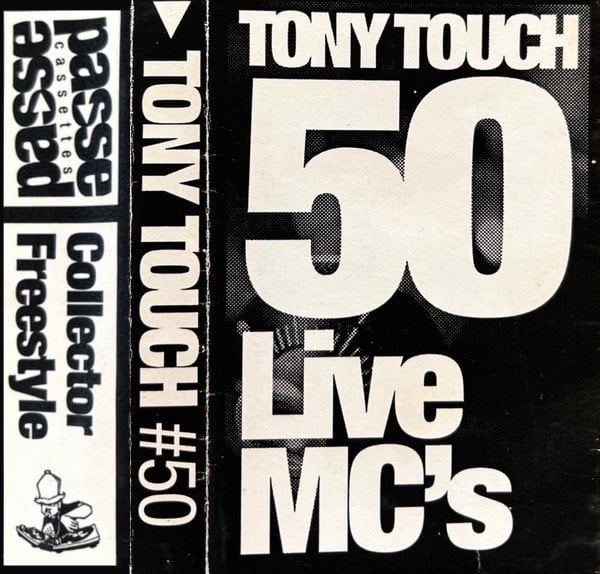
The French Passe Passe release of Tony Touch #50
By the mid-to-late 1990s, the relationship between the mixtape industry and the record companies had become increasingly sophisticated. The labels could no longer simply regard mixtapes as an underground nuisance, due to them having become too influential.
A major DJ could reach thousands of listeners; a popular mixtape could introduce a new artist; an exclusive could create anticipation for an album; a freestyle could establish a rapper’s reputation and an advance track could be tested on an audience before the official release. The labels therefore had an incentive to work with influential DJs.
In some cases, DJs were deliberately supplied with advance material. The objective wasn’t necessarily to give away the record before its release, but to create anticipation among the people most likely to buy it.
The mixtape was effectively an early form of viral marketing. The record company provided the material, the DJ provided the credibility, the listeners provided the word-of-mouth and if the record caught fire on the streets, everybody benefited. This helps explain why the relationship between record companies and mixtape DJs could seem contradictory.
A DJ might be criticised for using an unauthorised recording on one tape, while receiving an official advance copy for another.
The same record company that wanted to protect its copyright might also want its new single appearing on the hottest DJ’s tape.
The underground and the official music industry had become intertwined.
For anyone looking at these tapes today, the artwork is part of the history. The early and mid-1990s mixtape cover was rarely glamorous. Black-and-white photocopying was cheap. It was fast. It could be produced in large quantities and it suited the urgency of the business. A cover might contain little more than the DJ’s name, the volume number and a track listing.
Sometimes there would be a photograph, sometimes an illustration, sometimes the artwork would be almost comically crude by the standards of a major-label album, but that was the point. These tapes weren’t trying to compete with commercial releases being sold in the record shop. They were operating in a different world.
The buyer already knew the DJ and the buyer wanted the music. The cover simply confirmed that he had found the right tape.
This is why the different versions of surviving mixtape artwork are so interesting today. A particular volume might appear with different artwork or distribution branding, and in some cases the same mixtape can be found with several different J-cards. Tape Kingz might have one presentation, another distributor might have another, while a French release could have adapted artwork for its own market. The music might be broadly the same, but the physical object tells you something about how the tape was duplicated, distributed and travelled.
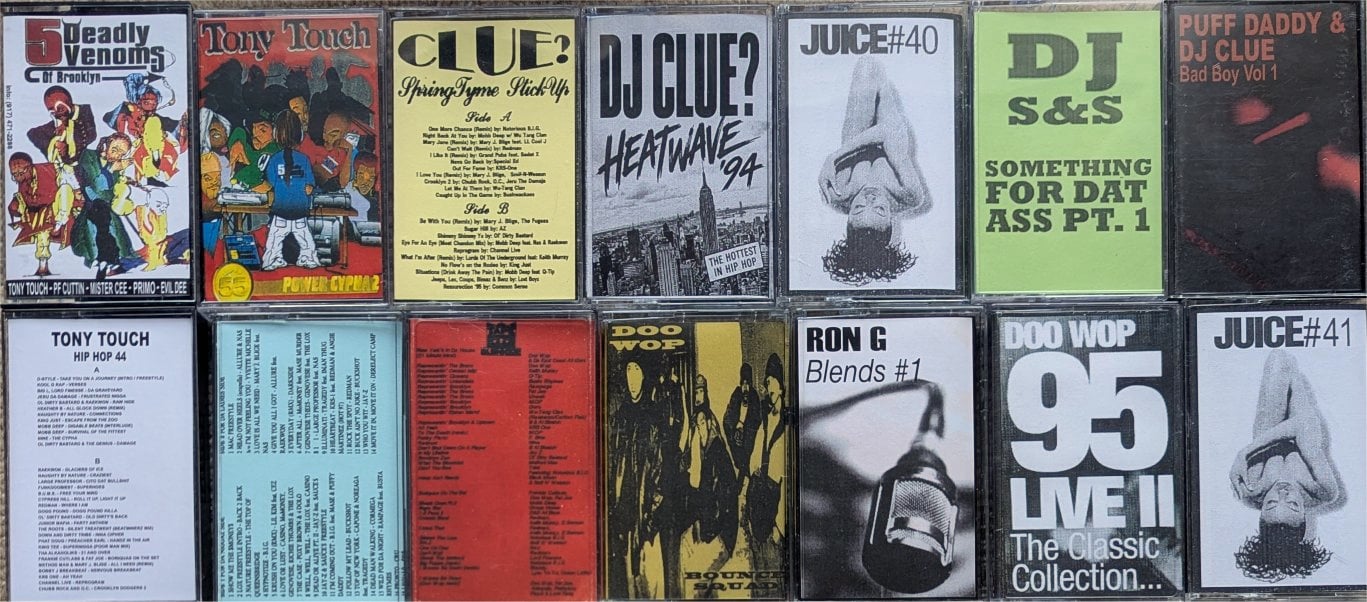
Mixtape artwork was often basic and crudely made
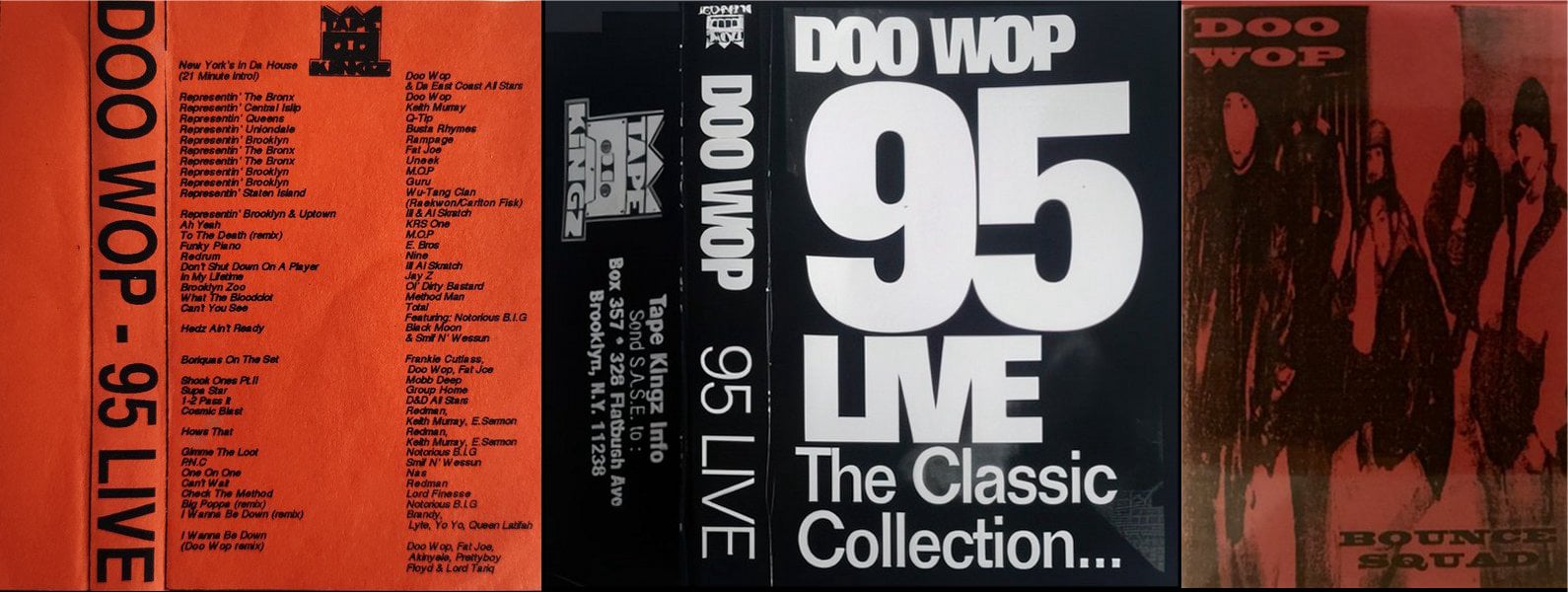
There were often different versions of the same mixtape
A commercial album is carefully controlled, in that the tracklisting is fixed, the artwork is fixed, the release date is fixed. The record company decides when the public gets to hear it. A mixtape was different, as it was immediate.
It could contain a record that was only weeks away from release. It could contain a freestyle recorded days earlier, it could contain a remix created specifically for that tape, it could contain a DJ talking over the music, it could contain a shout-out to somebody who happened to be in the club that night, it might even contain an artist who was still virtually unknown.
That makes the mixtape a remarkably accurate snapshot of what hip-hop sounded like at a particular moment. Many of these tapes capture the musical landscape of the time. The tapes represent what a listener could have encountered in the New York hip-hop world at that particular moment. That is something a modern playlist can’t quite reproduce.
The cassette era eventually began to decline. CD burners became affordable. A CD could hold much more music than a cassette and it didn’t suffer from tape wear in the same way. It was easier to duplicate in large quantities. The industry was increasingly moving towards digital formats.
During the late 1990s and early 2000s, many of the DJs who had built their reputations on cassette moved to CDs. DJ Clue, DJ Envy, DJ Kay Slay, Green Lantern, DJ Whoo Kid and many others continued the mixtape tradition on the new format. But the basic criteria remained unchanged: The DJ still wanted exclusives, the DJ still wanted to break new artists, the DJ still wanted to be first, rhe DJ still wanted people to hear his name. The CD simply became the new container.
Eventually, even the CD gave way to MP3s, file-sharing, websites, streaming and social media. The mixtape survived, but something about the original cassette culture disappeared.
The arrival of the CD changed more than the physical format of the mixtape. It also began to change what the word "mixtape" meant. During the cassette era, a great mixtape was often a record of a DJ actually doing his job: mixing records, cutting between turntables, scratching, talking over the music and creating transitions that existed only because of the DJ's skill. A cassette recorded at a club or radio station captured that performance exactly as it happened, complete with the atmosphere of the room and the reactions of the audience.
The CD made things considerably easier. A DJ could now assemble a collection of tracks in advance and put them onto a disc without necessarily having to perform the entire sequence as a continuous mix. Tracks could simply be lined up and played one after another, with drops or introductions added between them. The result could still be marketed as a mixtape, but it wasn't necessarily a recording of a DJ's performance.
For many old-school hip-hop fans, this represented a significant change. The mixtape had originally been about the art of the DJ - the ability to take records and transform them through selection, timing, mixing, cutting and technique. When the DJ simply selected a series of tracks and placed them one after another, much of that craft disappeared. The listener was hearing a collection of music chosen by a DJ rather than necessarily hearing the DJ actually "DJ-ing".
There were, of course, plenty of DJs who continued to make genuine mixes on CD, and some produced extraordinarily skilful work. The format itself wasn't responsible for destroying the art. But the economics and convenience of CD duplication made it much easier for almost anyone to produce something that could be called a mixtape. The distinction between a DJ mix and a compilation selected by a DJ gradually became blurred.
In that sense, the cassette era represents something rather special. A great cassette mixtape could be a document of a particular night, a particular radio show or a particular DJ at a particular moment in his career. It captured the performance itself rather than simply the songs that had been selected.
That is one of the reasons the old tapes are so valuable to collectors today. When you put one into a cassette deck, you aren't simply hearing a playlist from twenty or thirty years ago. You can hear the DJ working.
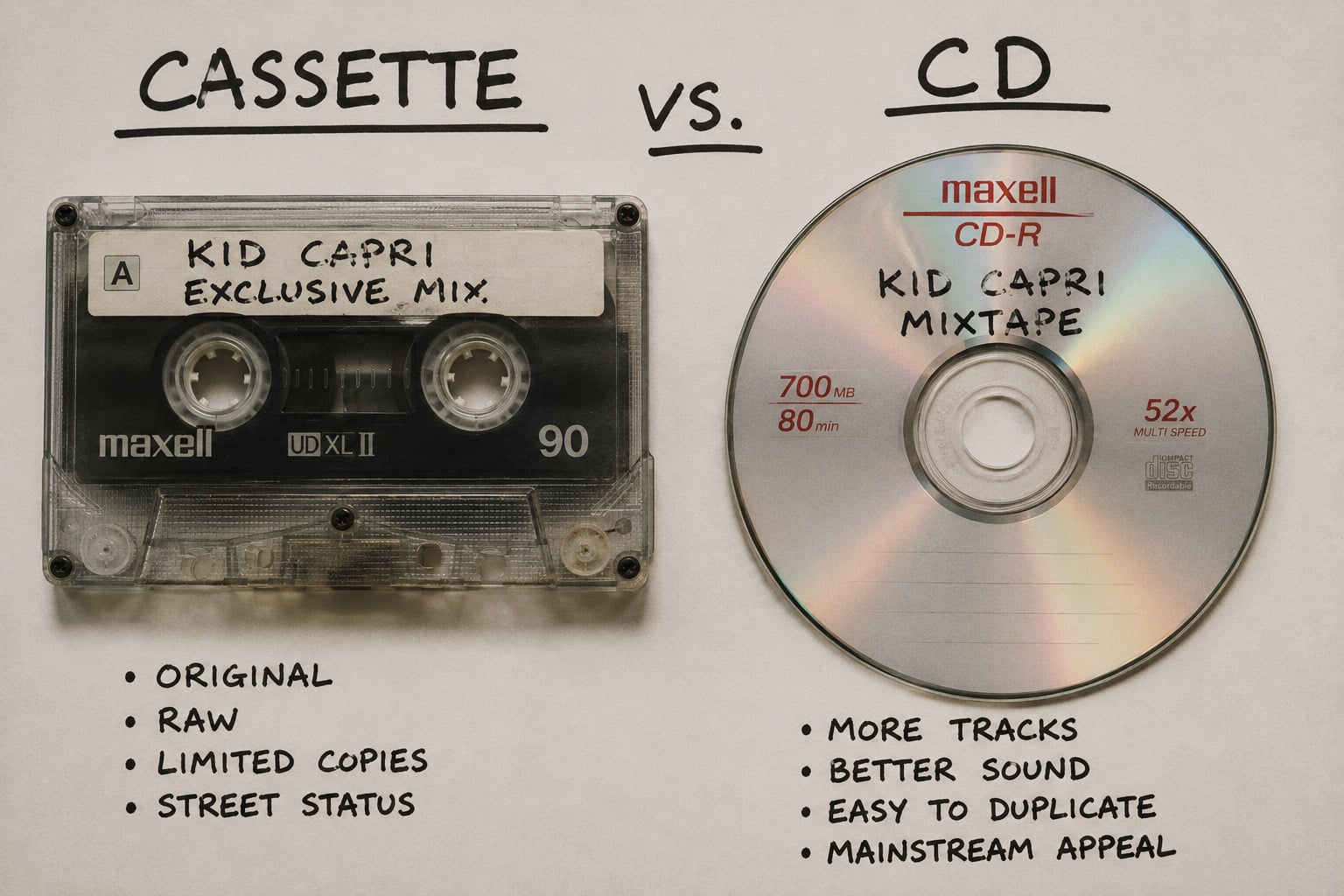
When CDs came along there were advantages and disadvantages over tape
The cassette was never intended to become a historical document. It was cheap, disposable and easily copied. It was traded between friends, played in cars and carried around in pockets and bags. Sometimes it was recorded over. Sometimes it was damaged. Sometimes the artwork was thrown away. Yet the surviving examples have become incredibly important. They preserve a period when hip-hop was still operating outside the normal channels of the music industry.
They preserve DJ culture, they preserve the sound of clubs, they preserve radio shows. they preserve freestyles, they preserve unreleased music, they preserve shout-outs, they preserve the voices of DJs - and, perhaps most importantly, they preserve the way people actually experienced hip-hop before the internet changed everything.
The journey from Kool Herc’s 1973 party to the 1990s mixtape cassette business is an extraordinary one. It began with a DJ extending the breaks on funk records so that dancers could keep moving. It developed through the creativity of Grandmaster Flash, Afrika Bambaataa, Grandmaster Caz, Lovebug Starski and countless other DJs. It grew through clubs, block parties and radio.
People began recording those performances so that those who couldn’t attend could hear what they had missed. The cassette allowed the music to travel. DJs discovered that they could create their own mixes and then they discovered that exclusives made the tapes more valuable. Record companies discovered that those same exclusives could also be useful as promotion.
Shout-outs became part of the culture and record-company relationships became important. Some DJs obtained advance material legitimately through promotional channels. Others relied on personal relationships, favours or industry contacts, while some material was obtained without the knowledge of the people who owned it.
Some tapes became extremely desirable. A few could command prices of $100 or more. Then companies such as Tape Kingz created an infrastructure for duplicating and distributing the tapes on a much larger scale and the model crossed the Atlantic to Europe. Passe Passe brought the Tape Kingz approach to France and helped distribute American mixtapes to European listeners.
The cassette had gone from a simple recording medium to an international underground music business and throughout the whole process, the physical tape remained at the centre of it. That is what makes these tapes so fascinating today - they aren't merely collections of songs, they are pieces of a moment. They show what DJs were playing, they show which artists were emerging, they show which records were considered hot, they reveal the names of DJs who had become tastemakers.
They preserve the voices and shout-outs of people who may otherwise have disappeared from the historical record and their crude black-and-white covers, photocopied artwork and handwritten details aren't imperfections to be corrected - they are part of the story.
The tape was never meant to look like a major-label album, it was meant to be there now - the latest mix, the latest freestyle, the latest exclusive. The tape everybody was talking about. Perhaps that is why, decades later, these cassettes still have such an extraordinary appeal.
A commercial album tells you what the record company wanted you to hear. A mixtape often tells you what the streets were listening to. It captures hip-hop before it was polished, packaged and fully commercialised. It captures the music as it moved from DJ to listener, from club to cassette, from New York to the rest of America and eventually across the Atlantic. The cassette was the medium that allowed that culture to spread. Today, every surviving tape is a little piece of that journey. They aren't merely recordings of hip-hop - they are pieces of hip-hop history.
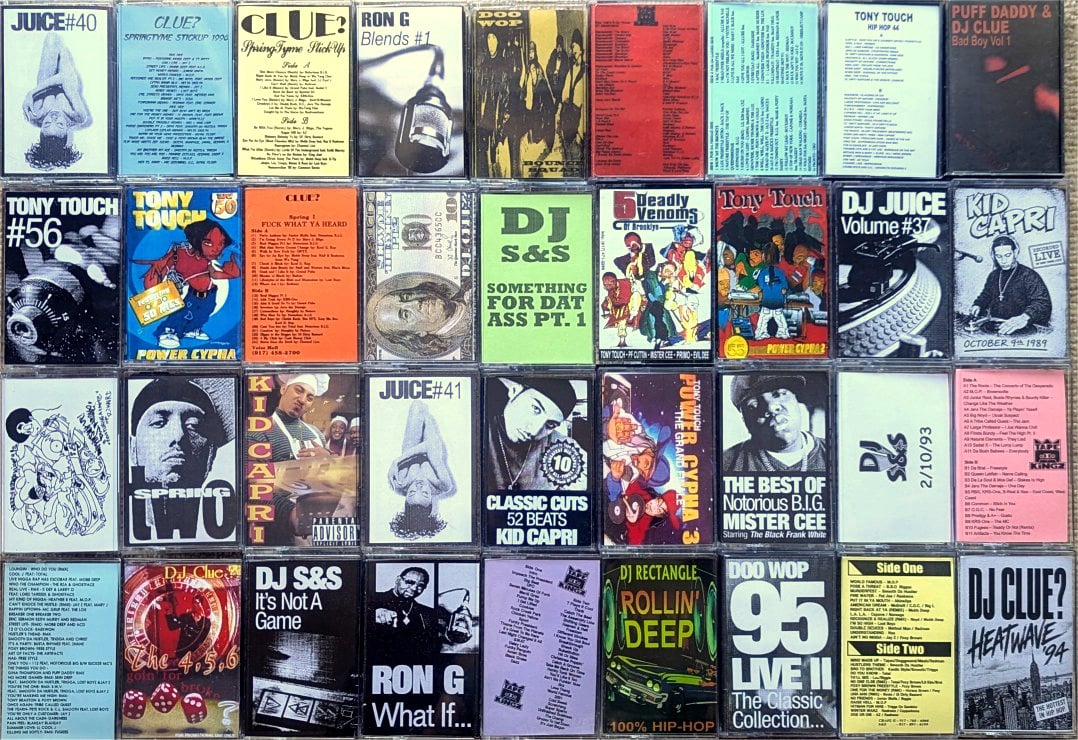
Mixtapes from the 1990s are now very collectable